- An EU address on Cyprus is not the same thing as Schengen free movement from the island.
- Immigration permission and tax residency are separate decisions with different day-count tests.
- Non-dom status can cut SDC on dividends and interest – salary and local work still face ordinary rates.
What a Cyprus Plan B Base Actually Is
A Plan B base is not a vacation flat with a nice view. For internationally mobile people it usually means a lawful foothold that still works if politics, banks, or travel rules tighten somewhere else.
Cyprus keeps showing up on those shortlists because it combines EU membership, widespread English, Mediterranean climate, and enough housing stock to absorb new arrivals. Our earlier look at whether Cyprus is a tax haven remains useful background – this piece focuses on the residency-and-base question instead.
The island is also busy. Limassol’s towers, Larnaca’s airport rebuild, and a steady flow of remote workers and company founders are hard to miss on the ground. Momentum matters for Plan B thinking, but momentum is not a substitute for paperwork that survives scrutiny.
Immigration Doors Are Not Interchangeable
EU and EEA citizens already have free-movement rights. After settling, they typically register locally rather than buying into an investment programme. That path is still the simplest legal starting point for people who already hold an EU passport.
Non-EU nationals face a menu, not a single golden ticket. The fast-track permanent residence route under Regulation 6(2) is commonly built around a qualifying new residential purchase from a developer at about €300,000 (excluding VAT), plus secured annual income from abroad that now starts around €50,000 for a single applicant, with higher figures when dependants are included. Official category notes sit on the government’s immigration permits page.
That permit is designed as permanent status, not a one-year tourist stamp. Holders still need to avoid absences longer than about 24 months without entering Cyprus, or the right can lapse. It is residency, not citizenship: Cyprus no longer runs a citizenship-by-investment passport sale, and naturalisation generally needs years of lawful presence plus language and character tests.
A separate income-based immigration permit (often called Category F) can fit people with secured overseas income who are not investing in property. Processing has often been slower than the investment route, so applicants usually treat it as a different timeline, not a shortcut around documentation.
Remote workers from outside the EU/EEA may also look at the Cyprus Digital Nomad scheme. Official guidance currently points to stable net monthly income of at least €3,500, a temporary residence card of one year with possible renewal for up to two further years, and a national cap of 500 permits. The Migration Department page is the place to verify current forms and ceilings.
Tax Residency: 183 Days Versus the 60-Day Track
A residence permit does not automatically create Cyprus tax residency. Tax residency is a separate day-count test under Cyprus tax law – the same distinction that trips people up in many 183-day rule jurisdictions.
Spending more than 183 days in Cyprus in a calendar year is the classic route. Arrival days generally count as Cyprus days; departure days generally do not. People who bounce between several countries need clean calendars, not estimates.
Cyprus also offers a 60-day rule for people who spend at least 60 days on the island, keep a permanent home there (owned or rented), and maintain Cyprus employment, a Cyprus business, or a directorship in a Cyprus-tax-resident company – while not spending more than 183 days in any other single country. Rules have been refined in recent years; current conditions should be confirmed against the latest Tax Department guidance before anyone relies on them.
Treaty tie-breakers still matter when another country also claims the same person. A Cyprus certificate of tax residence helps in paperwork, but it does not erase foreign exit taxes, CFC rules, or reporting duties that attach to the person’s other ties.
Non-Dom SDC: What It Cuts, What It Leaves Alone
Once someone is a Cyprus tax resident, domicile status decides Special Defence Contribution. New arrivals without a Cyprus domicile of origin usually qualify as non-domiciled for SDC purposes for up to 17 years of Cyprus tax residency (subject to the statutory tests).
For non-doms, the practical headline is often 0% SDC on dividends and interest that would otherwise face SDC for domiciled residents. From 2026, SDC on rental income has been abolished for everyone, so that older talking point is outdated. Ordinary income tax on employment or business profits still applies on progressive scales, and company profits sit under the corporate rate framework (commonly discussed at 15% on taxable trading profits).
That is why Cyprus shows up in Europe’s non-dom conversations alongside places covered in our wider non-domiciled tax regimes survey. It is also why comparing Cyprus with Malta on immigration and taxes remains useful: similar marketing language, different day counts, fees, and substance expectations.
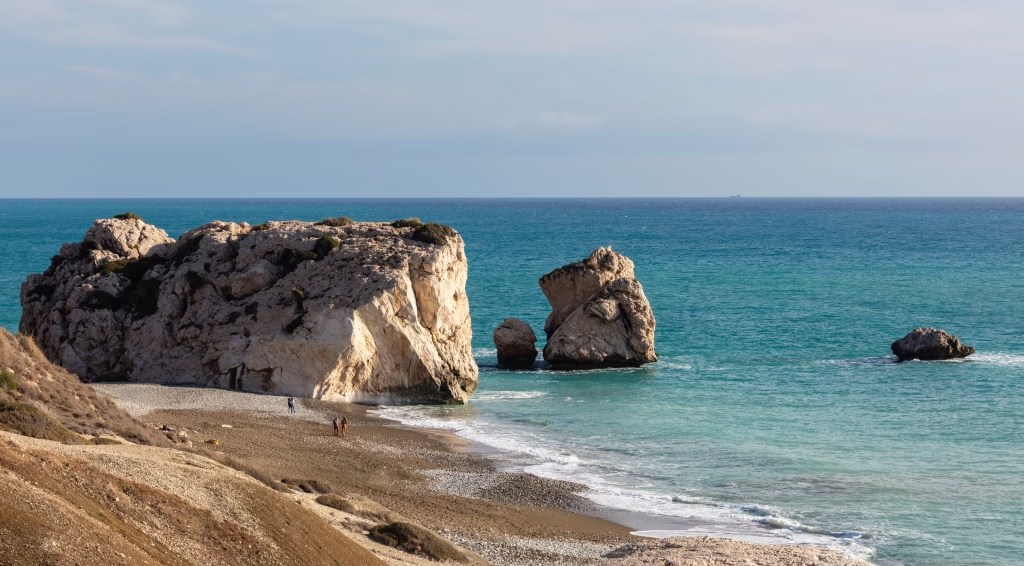
The Schengen Gap Most Brochures Soft-Pedal
Cyprus is in the European Union and uses the euro. It is still outside the Schengen Area. Travellers feel that at the airport: EU membership does not mean automatic land-border style free movement into Schengen states from a Cyprus stay.
For Plan B design, that Schengen gap cuts both ways. The island can feel a little more insulated and administratively self-contained. It can also mean extra stamps, visa planning, and less casual weekend hopping for people whose social or business life still centres on mainland Schengen cities.
Passport strength still matters too. A Cypriot passport after naturalisation is EU citizenship; a permanent residence card alone is not. Families who want a second passport as the real Plan B need a multi-year presence plan, not only a property purchase receipt.
Banks, Housing, and the Divided Island
Opening accounts and moving larger balances into Cyprus banks is easier than in some offshore centres, but it is not automatic. Expect full KYC checks, source-of-funds questions, and slower onboarding for complex structures. Local banks remember the island’s crisis years even as the economy has recovered.
Housing markets in Limassol and parts of Paphos have tightened with demand from newcomers. Larnaca and some inland towns still look cheaper on a square-metre basis, which is one reason redevelopment stories keep appearing along the east coast. Purchase thresholds for investment residence are first-sale residential in many marketed packages – resales often do not qualify for the same fast-track route.
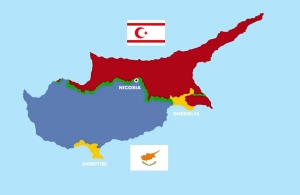
Any serious Plan B file also has to face the island’s divided status. The Republic of Cyprus controls the internationally recognised south. Northern Cyprus operates under a different political and legal reality. Our Cyprus conflict 101 primer covers the history; for residency planning the short version is that EU rights and Republic programmes do not simply transfer across the buffer zone.

When Cyprus Is the Wrong Plan B
People who need frictionless Schengen commuting may find the island frustrating. Founders who want the lowest possible EU corporate headline rate often look harder at places such as Bulgaria’s low-tax EU base – with their own substance tests attached.
Anyone whose income is almost entirely local Cypriot employment will feel ordinary progressive rates, not a brochure non-dom story. Digital nomad permits are temporary and capped. Investment residence without a real intention to keep property, income evidence, and occasional presence can fail at renewal or naturalisation stages.
Cyprus also sits in a busy eastern Mediterranean neighbourhood. Geopolitics, energy politics, and regional travel shocks are part of the risk file – not reasons to dismiss the island, but reasons to keep a second exit option somewhere else.
A Practical Stress-Test Before Committing
Useful questions before capital or logistics move:
- Which immigration route matches the person’s passport and income pattern – EU registration, investment PR, income permit, or temporary nomad status?
- Is the goal a safety address, full-time living, company substance, or a path toward naturalisation?
- How many days will actually be spent in Cyprus versus elsewhere, and which country might still claim tax residence?
- Does the property purchase (if any) meet the exact first-sale and valuation rules for the chosen permit?
- Are banking, school places, health cover (including GESY eligibility where relevant), and Greek-language plans realistic for the household?
- What happens if Schengen travel remains awkward, or if another jurisdiction changes exit-tax or reporting rules?
Cyprus can still work as a Plan B base when those answers line up. It works poorly as a sticker on a passport folder with no calendar, no substance, and no Plan C.